


Snowboardgebiete in Europa: EU plus Schweiz, Norwegen, England und Türkei. Alpen, Pyrenäen, Karpaten, Balkan, Norden und Indoor. Interaktive Karte.
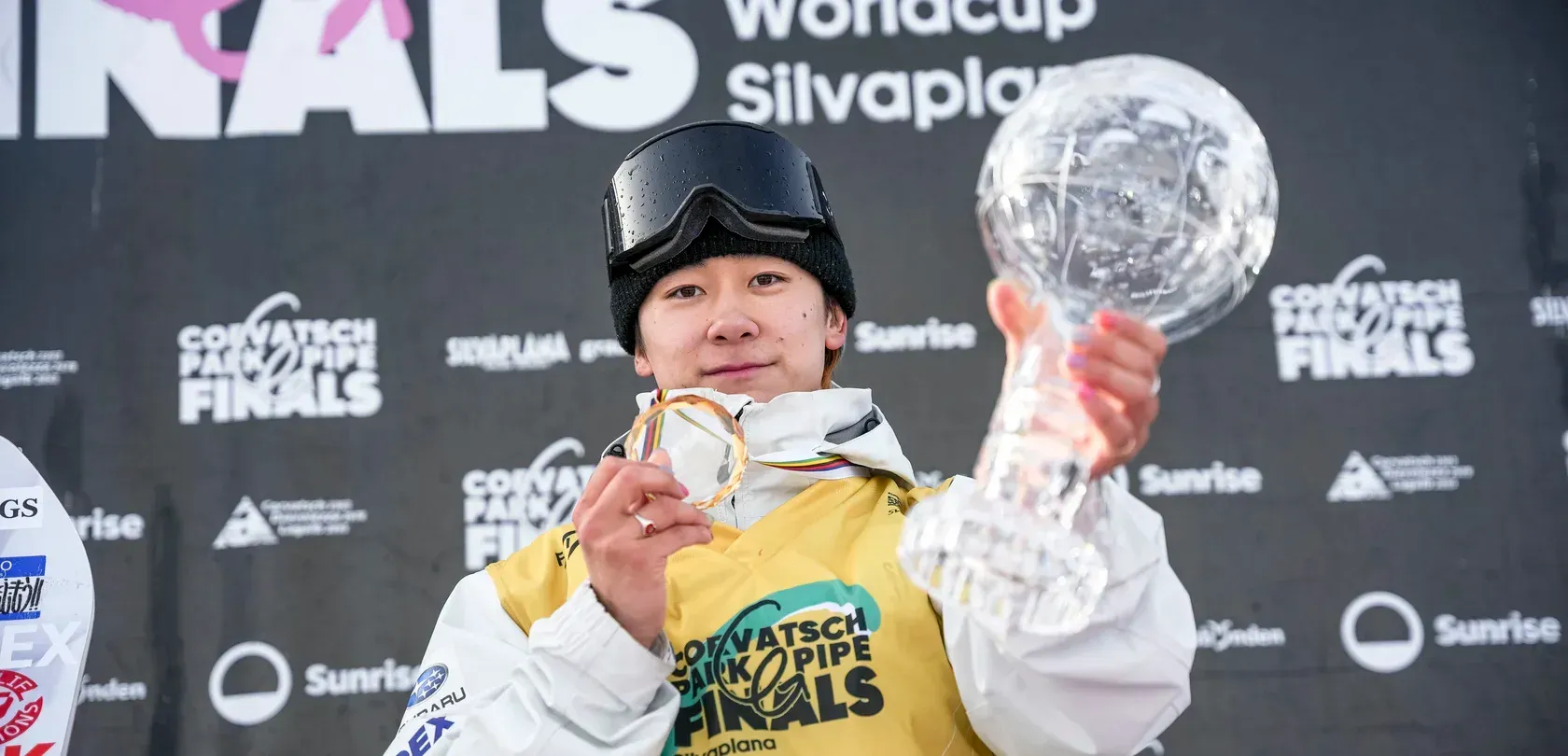
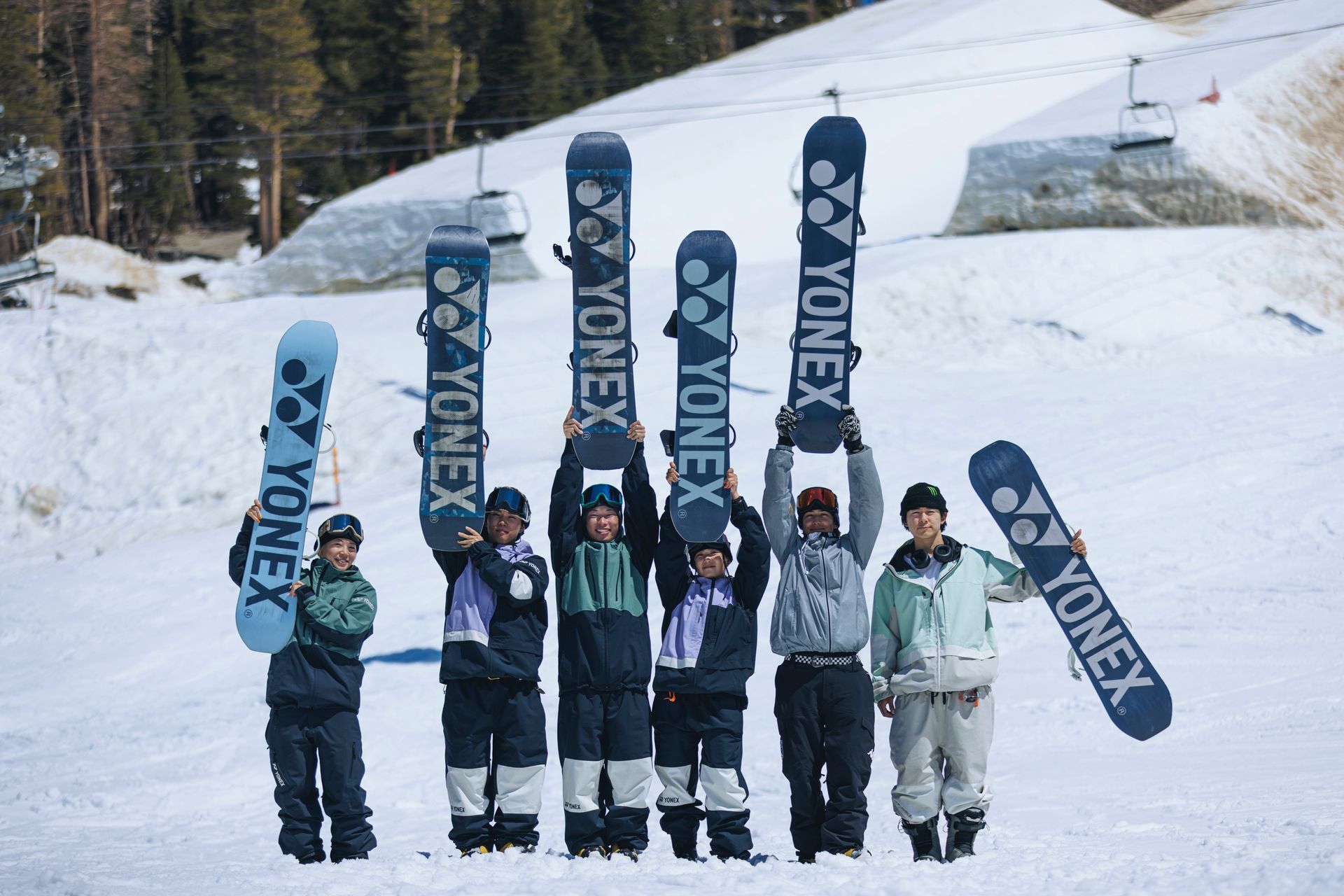
Die Snowboard-Saison 2025/26 neigt sich dem Ende zu und die Bilanz für das Yonex-Team ist schlichtweg atemberaubend. Mit Doppel-Kristallkugeln, Weltcup-Siegen und den ersten Titeln in der neu geschaffenen „Snow League“ haben unsere Fahrerinnen und Fahrer einmal mehr bewiesen, dass die japanische Carbon-Technologie im internationalen Spitzenfeld das Maß aller Dinge ist. Besonders hervorzuheben ist die Dominanz in der Halfpipe und im Park & Pipe, wo das Team Yonex die Konkurrenz regelmäßig hinter sich ließ. Hier sind die Highlights einer außergewöhnlichen Saison: Yuto Totsuka: Der König der Lüfte sichert sich das Double Yuto Totsuka hat eine Saison der Superlative hinter sich. Beim Weltcup-Finale in Silvaplana krönte er seine Leistung mit einem überragenden Sieg und sicherte sich damit gleich zwei der begehrten Kristallkugeln: Gewinner des Halfpipe-Gesamtweltcups (seine vierte Kristallkugel insgesamt). Gewinner des Park & Pipe Gesamtweltcups , was ihn zum vielseitigsten und konstantesten Rider der Saison macht. Zusätzlich feierte er den Gesamtsieg in der ersten Saison der hochkarätigen „The Snow League“ . Sena Tomita: Historischer Sieg in der „Snow League“ Auch bei den Frauen gab es Grund zum Jubeln auf höchstem Niveau. Sena Tomita schrieb Geschichte, indem sie sich zur ersten Frauen-Gesamtsiegerin der „Snow League“ krönte. Mit konstanten Podestplätzen im Weltcup – darunter zweite Plätze in Copper Mountain und Sapporo sowie ein dritter Platz in Aspen – festigte sie ihren Status als eine der weltbesten Halfpipe-Fahrerinnen und belegte Rang 4 im Gesamtweltcup. Die „Next Generation“ fliegt aufs Podium Neben den etablierten Stars zeigten unsere jungen Talente, dass die Zukunft von Yonex in sicheren Händen liegt: Rise Kudo: Nach ihrem spektakulären Silber-Debüt bei den X Games setzte sie ihre Erfolgsserie fort und sicherte sich unter anderem einen hervorragenden zweiten Platz beim Snow League Finale in Laax. Sara Shimizu: Sie feierte einen ihrer größten Karriereerfolge mit dem Sieg beim Snow League Event in Laax und bewies, dass sie zur absoluten Weltspitze gehört. Kira Kimura: Der letztjährige Kristallkugel-Gewinner blieb auch diese Saison brandgefährlich und sicherte sich unter anderem ein starkes Weltcup-Podium (Platz 2) beim Big Air in Peking. Ein starkes Team auf breiter Front Der Erfolg von Yonex in dieser Saison ist eine Teamleistung. Ruka Hirano zeigte gewohnt technische Perfektion und beendete die Snow League Saison auf einem starken dritten Gesamtrang. Auch Ruki Tomita , Hiroaki Kunitake , Haku Shimasaki und Alessandro Barbieri lieferten über die gesamte Saison hinweg Top-Ergebnisse im Weltcup ab und sammelten wichtige Punkte für das Team. Überlegene Technik als Schlüssel zum Erfolg Diese Erfolge sind kein Zufall. Die Kombination aus dem außergewöhnlichen Talent unserer Athleten und der technologischen Überlegenheit der Yonex Snowboards – insbesondere der präzisen Carbon-Bauweise – ermöglicht maximale Kontrolle und enorme Sprunghöhen. Wir gratulieren dem gesamten Team zu dieser unglaublichen Saison 2025/26! Wir sind stolz darauf, euch auf eurem Weg an die Weltspitze zu begleiten. Die Erfolge im Überblick: Yuto Totsuka: Doppel-Kristallkugel (HP & Park/Pipe), Sieger „The Snow League“ Sena Tomita: Gesamtsieg „The Snow League“, mehrfache Weltcup-Podien Rise Kudo: X Games Silber, Podium Snow League Laax Sara Shimizu: Sieg Snow League Laax Kira Kimura: Weltcup-Podium Peking (Big Air) Ruka Hirano: Top 3 Gesamtwertung „The Snow League“